
Attendance

Regular attendance is essential for a student to make the most of his or her education – to benefit from teacher-led and school activities, to build each day’s learning on the previous day’s, and to grow as an individual. Absences from class may result in serious disruption of a student’s mastery of the instructional materials; therefore, the student and parent should make every effort to avoid unnecessary absences.
Contact Information
If you have any questions regarding attendance, please contact:
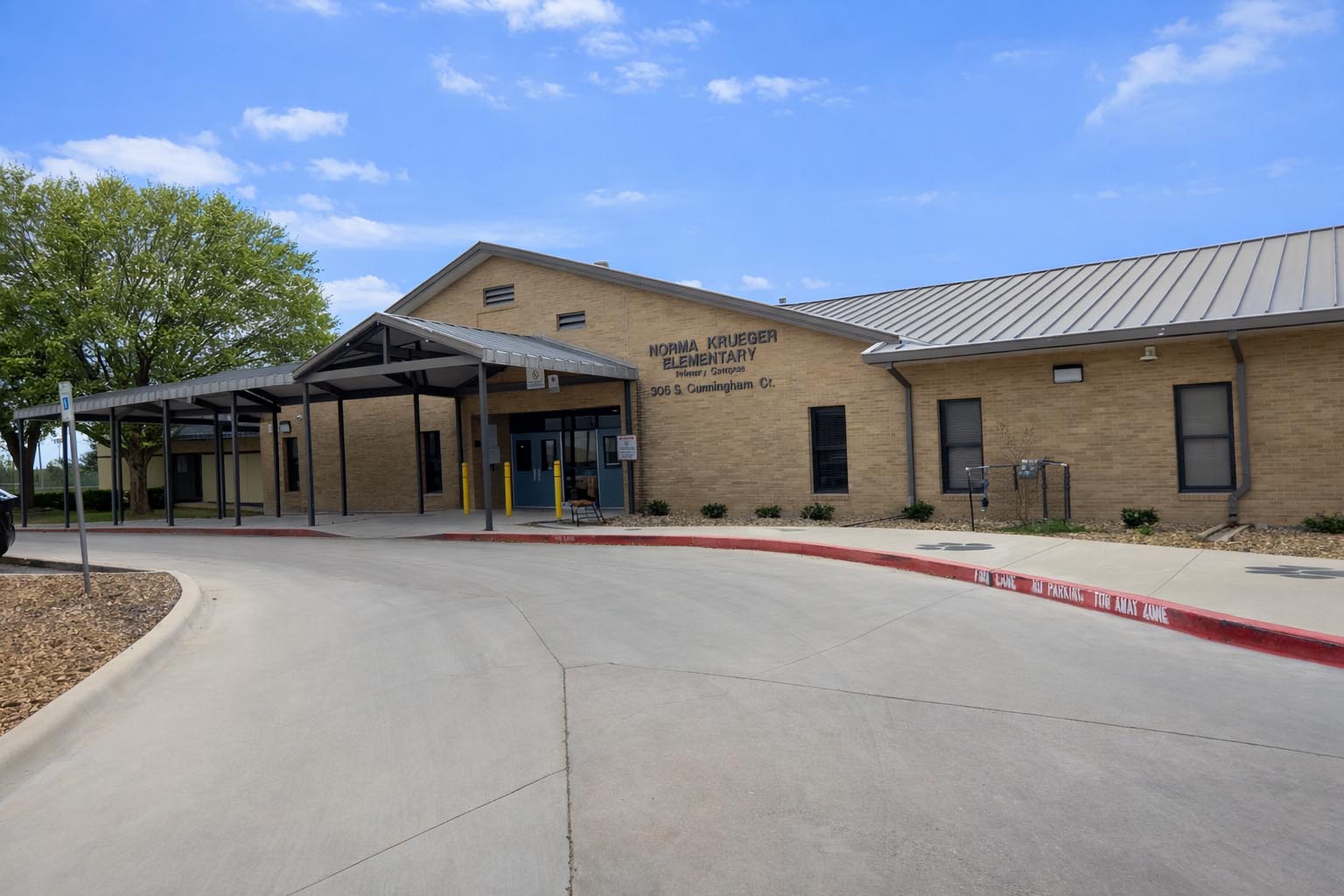
Norma Krueger Elementary

830-914-2803 ext. 1201
bstrong@marionisd.net
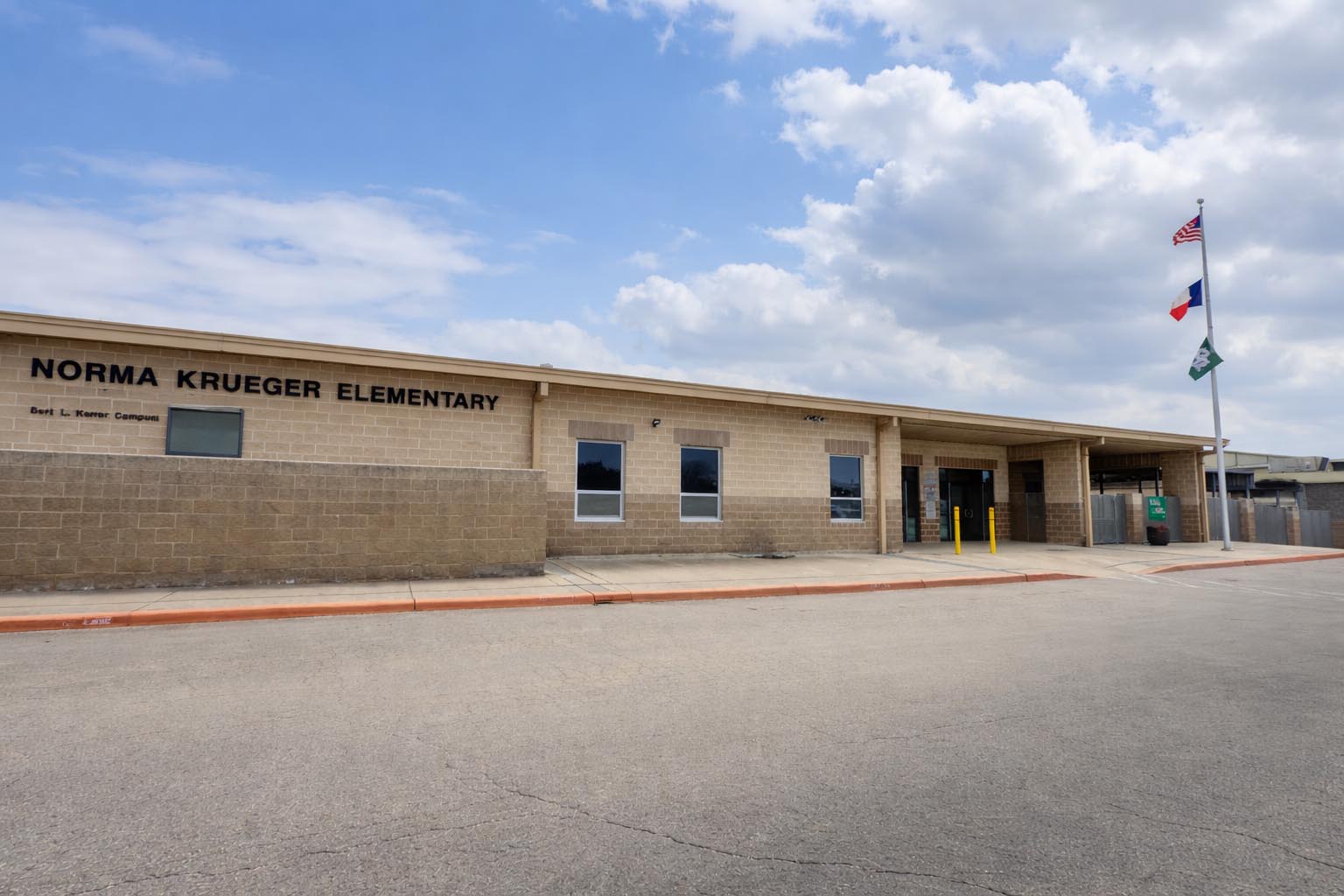
Norma Krueger Elementary

830-914-2803 ext. 1501
gsoliz@marionisd.net
Dr. Tom DeKunder Middle School

830-914-2803 ext. 1300
kwilkinson@marionisd.net

Marion High School

830-914-2803 ext. 1402
asoliz@marionisd.net
Why Attendance Matters
Academic Achievement
Students who attend school regularly are more likely to achieve academic success, graduate on time, and pursue higher education opportunities.
Social and Emotional Development
School provides a supportive environment where students can develop social skills, build friendships, and enhance their emotional well-being.
Future Success
Regular attendance instills valuable habits such as punctuality, responsibility, and commitment, which are essential for success in life.
District Attendance Policy
Regular school attendance is essential. Absences from class may result in serious disruption of a student’s education. The student and parent should avoid unnecessary absences.
Two important state laws—one dealing with compulsory attendance and the other with how attendance affects the award of a student’s final grade or course credit—are discussed below.
-
Prekindergarten and Kindergarten
Students enrolled in prekindergarten or kindergarten are required to attend school and are subject to the compulsory attendance requirements as long as they remain enrolled.
Ages 6–18
State law requires that a student who is at least six years of age, or who is younger than six years of age and has previously been enrolled in first grade, and who has not yet reached their 19th birthday, shall attend school, as well as any applicable accelerated instruction program, extended-year program, or tutorial session, unless the student is otherwise excused from attendance or legally exempt.
State law requires a student in kindergarten–grade 2 to attend any assigned accelerated reading instruction program. Parents will be notified in writing if their child is assigned to an accelerated reading instruction program based on a diagnostic reading instrument.
A student will be required to attend any assigned accelerated instruction program before or after school or during the summer if the student does not meet the passing standards on an applicable subject area state assessment.
Age 19 and Older
A student who voluntarily attends or enrolls after his or her 19th birthday is required to attend each school day until the end of the school year. If the student incurs more than five unexcused absences in a semester, the district may revoke the student’s enrollment. The student’s presence on school property thereafter would be unauthorized and may be considered trespassing. [See policy FEA for more information.]
-
State law allows exemptions to the compulsory attendance requirements, as long as the student makes up all work, for the following activities and events:
Religious holy days;
Required court appearances;
Activities related to obtaining U.S. citizenship;
Documented health-care appointments for the student or a child of the student, including absences related to autism services and mental health appointments, if the student returns to school on the same day of the appointment and brings a note from the health-care provider;
Absences resulting from a serious or life-threatening illness or related treatment that makes a student’s attendance infeasible, with certification by a physician on the district’s form;
Absences for attendance in a released time course in religious instruction
For students in the conservatorship of the state:
An activity required under a court-ordered service plan; or
Any other court-ordered activity, provided it is not practicable to schedule the student’s participation in the activity outside of school hours.
For children of military families, absences of up to five days will be excused for a student to visit a parent, stepparent, or legal guardian going to, on leave from, or returning from certain deployments. [See Children of Military Families.]
-
Note that documented health-care appointments may include telehealth appointments. Students who are physically on campus will not be allowed to participate in telehealth or other online appointments without specific authorization from an appropriate administrator. Students should not use district-issued technology, including wifi or internet, for telehealth appointments because use of district-owned equipment and its network systems is not private and will be monitored by the district. For more information, see Telecommunication and Other Electronic Devices.
-
The district will allow a student who is 15 years of age or older to be absent for one day to obtain a learner license and one day to obtain a driver’s license under policy FEA(LOCAL). The student will be required to provide documentation of his or her visit to the driver’s license office for each absence and must make up any work missed.
[See Driver License Attendance Verification.]The district will allow junior and senior students to be absent for up to two days per year to visit a college or university [FEA (LOCAL)], provided:
The principal has approved the student’s absence; and
The student follows campus procedures to verify the visit and makes up any work missed.
The district will allow a student 17 years old or older to be absent for up to four days during the period the student is enrolled in high school to pursue enlistment in the U.S. armed services or Texas National Guard, provided the student verifies these activities to the district.
The district will allow a student to be absent for up to two days per school year to serve as:
An early voting clerk, provided the district’s board has authorized this in policy FEA(LOCAL), the student notifies his or her teachers, and the student receives approval from the principal prior to the absences; or
An election clerk, if the student makes up any work missed.
The district will allow a student in grades 6–12 to be absent for the purpose of sounding “Taps” at a military honors funeral for a deceased veteran.
-
All Grade Levels
School employees must investigate and report violations of the compulsory attendance law.
A student absent without permission from school, any class, any required special program, or any required tutorial will be considered in violation of the compulsory attendance law and subject to disciplinary action.
Students with Disabilities
If a student with a disability is experiencing attendance issues, the student’s ARD or Section 504 committee will determine whether the attendance issues warrant an evaluation, a reevaluation, and/or modifications to the student's individualized education program or Section 504 plan, as appropriate.
Ages 6–18
When a student ages 6–18 incurs three or more unexcused absences within a four-week period, the law requires the school to send notice to the parent.
The notice will:
Remind the parent of his or her duty to monitor the student’s attendance and require the student to attend school;
Request a conference between school administrators and the parent; and
Inform the parent that the district will initiate truancy prevention measures, including a behavior improvement plan, school-based community service, referrals to counseling or other social services, or other appropriate measures.
The truancy prevention facilitator for the district is:
Campus Administration: See pages 4-5 for contact information.For any questions about student absences, parents should contact the facilitator or any other campus administrator.
A court of law may impose penalties against the parent if a school-aged student is deliberately not attending school. The district may file a complaint against the parent if the student incurs ten or more unexcused absences within a six-month period in the same school year.
If a student age 12–18 incurs ten or more unexcused absences within a six-month period in the same school year, the district, in most circumstances, will refer the student to truancy court.
[See policies FEA(LEGAL) and FED(LEGAL) for more information.]Age 19 and Older
After a student age 19 or older incurs a third unexcused absence, the district is required by law to send the student a letter explaining that the district may revoke the student’s enrollment for the remainder of the school year if the student has more than five unexcused absences in a semester. As an alternative to revoking a student’s enrollment, the district may implement a behavior improvement plan.
-
To receive credit or a final grade in a class, a student must attend the class at least 90 percent of the days it is offered.
A student who attends at least 75 percent but fewer than 90 percent of the days may receive credit or a final grade if he or she completes a plan, approved by the principal, that allows the student to fulfill the class’s instructional requirements. If a student is involved in a criminal or juvenile court proceeding, the judge presiding over the case must also approve the plan before the student receives credit or a final grade.
If a student attends fewer than 75 percent of the class days or does not complete the principal-approved plan, then the attendance review committee will determine whether there are extenuating circumstances for the absences and how the student can regain credit or a final grade. [See policy FEC for more information.]
To receive credit or a final grade in a class, a student must attend the class at least 90 percent of the days it is offered. A student who attends fewer than 90 percent of the days the class is offered will be referred to the attendance review committee. The committee will determine whether there are extenuating circumstances for the absences and how the student can regain credit or a final grade. [See policy FEC for more information.]
Except for absences due to serious or life-threatening illness or related treatment, all absences, excused or unexcused, may be held against a student’s attendance requirement.
To determine whether there were extenuating circumstances for any absences, the principal or attendance committee will consider:
Whether the student has mastered the essential knowledge and skills and maintained passing grades in the course or subject.
Whether the student has completed makeup work satisfactorily. If the student completes makeup work, absences listed under Compulsory Attendance—Exemptions and absences for extracurricular activities will be considered extenuating circumstances.
Whether the student or the student’s parent had any control over the absences.
Any information presented by the student or parent to the committee about the absences.
The student or parent may appeal the committee’s decision to the board by following policy FNG(LOCAL).
-
Students enrolled in Dual Credit courses may not miss more than 6 days of class. Students who fail to meet the attendance requirement may be withdrawn from the college course(s) and placed in a general education class.
-
The district will take official attendance every day at 10:00 a.m. Secondary campuses attendance is taken every period 10 minutes into each period.
A student absent for any portion of the day should follow the procedures below to provide documentation of the absence.
-
A parent must provide an explanation for any absence upon the student’s arrival or return to school. The student must submit a note signed by the parent. The campus may accept a phone call from the parent but reserves the right to require a written note.
A note signed by the student will not be accepted unless the student is age 18 or older or is an emancipated minor under state law.
The campus will document in its attendance records whether the absence is excused or unexcused.
Note: The district is not required to excuse any absence, even if the parent provides a note explaining the absence, unless the absence is an exemption under compulsory attendance laws.
-
Within 3 days of returning to school, a student absent for five (5) or more consecutive school days because of a personal illness or injury must bring a statement from a doctor or health clinic verifying the illness or condition that caused the student’s extended absence from school. Otherwise, the student’s absence may be considered unexcused and, if so, would be in violation of compulsory attendance laws.
Should the student develop a questionable pattern of absences, the principal or attendance committee may require a statement from a doctor or health clinic verifying the illness or condition that caused the student’s absence from school to determine whether the absence or pattern of absences will be excused or unexcused.
Any change to this requirement as it relates to a specific illness may be found at:
nurse[See Marion ISD Board Policy FEC(LOCAL): Attendance for Credit.]
-
If a student is absent because of a serious or life-threatening illness or related treatment that makes a student’s attendance infeasible, a parent must provide certification from a physician licensed to practice in Texas specifying the student’s illness and the anticipated period of absence related to the illness or treatment on the district’s form. A parent may access the required form by contacting the campus attendance clerk.
-
A currently enrolled student seeking a driver’s license shall submit the Texas Department of Public Safety Verification of Enrollment and Attendance Form (VOE), signed by the parent, to the campus office at least 10 days before it is needed. The district will issue a VOE only if the student meets class credit or attendance requirements.
Further information may be found on the Texas Department of Public Safety website:
DPS - TexasSee Compulsory Attendance—Exemptions for Secondary Grade Levels for information on excused absences for obtaining a learner license or driver’s license.
Marion's Commitment
Clear Attendance Policies
We maintain clear and consistent attendance policies, emphasizing the importance of regular school attendance.
Supportive Environment
We strive to create a welcoming and supportive environment where students feel valued and connected.
Early Intervention
We identify and address attendance concerns early, working collaboratively with families to find solutions.
Community Partnerships
We collaborate with community partners to provide resources and support to families facing barriers to attendance.
Attendance Tips
Communicate with the School
If your child experiences challenges that affect attendance, please reach out to the school for support and resources. We are your partner and here to help. If there are areas where your child’s academic experience can improve, we encourage you to connect with your child’s teacher or principal.
Prioritize Daily, On-Time Attendance
Getting your child to school on time, every day, gives them the best opportunity to learn and succeed. Regular attendance increases your child’s chances of staying on track academically and performing well on classroom assignments and important assessments.
Understand Excused and Unexcused Absences
Absences due to car trouble, missing the bus, bad weather, extended vacations, and long weekends are considered unexcused. Please follow campus procedures for reporting excused absences within the required timeframe.
Schedule Appointments Outside of School Hours
Whenever possible, schedule doctor, dental, and other appointments after school hours. Even missing part of the school day can be disruptive to learning. Frequent appointments during school hours may cause your child to fall behind.
Keep Your Child Home Only When Truly Sick
Please allow your child to stay home only when they have a contagious illness or are too sick to be comfortable at school. When in doubt, contact your campus nurse or principal for guidance.
Establish Healthy Routines
Ensure your child gets enough sleep, eats a balanced breakfast, exercises regularly, and has time to prepare for school each morning. Healthy habits support focus, learning, and overall well-being.
Prepare the Night Before
Help your child start each day smoothly by packing backpacks, preparing lunches, and laying out clothing the night before. A calm, organized morning supports punctuality and readiness to learn.
Encourage a Love of Learning
Foster a positive attitude toward school by engaging in learning activities at home and talking with your child about their day. Celebrate effort, growth, and progress.
Support Homework and Assignments
Check that homework and assignments are completed on time and encourage your child to ask for help when needed. Consistent completion builds responsibility and academic confidence.
Stay Informed
Read all information sent home by the school and note important dates. Monitor your child’s attendance and grades through district online systems to stay aware of progress and needs.
Ask for Help When Needed
If your family needs assistance with meals, transportation, or other support services, please contact your child’s principal. Our school community is here to support your family’s success.
We believe that strong partnerships between families and schools are essential for ensuring student success. By working together, we can create a culture of attendance where every student feels motivated and supported to attend school every day.